About
Manifesta – the European Nomadic Biennial relocates to a new city every two years. Following invitations from these Host Cities, the biennial engages both local and international audiences through artistic projects, urban experiments, architectural interventions and educational programmes. Manifesta depends on the collaboration and co-production between local and international actors and communities to be an incubator for change. Addressing current social, political and cultural European issues, Manifesta creates sustainable and long-term legacies.
Manifesta 16 Ruhr takes place from the 21st of June until the 4th of October 2026 across four cities in Germany’s Ruhr Area: Duisburg, Essen, Gelsenkirchen and Bochum. Based on pre-biennial investigations and Citizen Consultations, Manifesta 16 has developed an Urban Vision for this polycentric, post-industrial and highly diverse metropolitan region. The nomadic biennial will transform twelve abandoned post-war church buildings into communal spaces that foster dialogue, community cohesion and artistic innovation. By repurposing and rethinking these buildings as infrastructures for the surrounding neighbourhoods, Manifesta 16’s intergenerational and interdisciplinary Artistic Team aims to build a lasting impact with local communities.
The upcoming edition marks Manifesta’s 30th anniversary since its first edition in Rotterdam in 1996. The biennial was conceived in response to the political, economic and social changes of the 1990s, following the end of the Cold War and the subsequent steps towards European integration. As a nomadic knowledge producer, Manifesta has focused on the dialogue between culture and society in Europe at large since then. The realisation of Manifesta 16 Ruhr is made possible thanks to the generous support of its Initiating Partners, the Ministry of Culture and Science of the State of North Rhine-Westphalia, the Regionalverband Ruhr, and the Funding Partners: RAG-Stiftung, Die Beauftragte der Bundesregierung für Kultur und Medien, E.ON Stiftung, Kunststiftung NRW, Brost-Stiftung, Stiftung Mercator and the Alfried Krupp von Bohlen und Halbach-Stiftung.
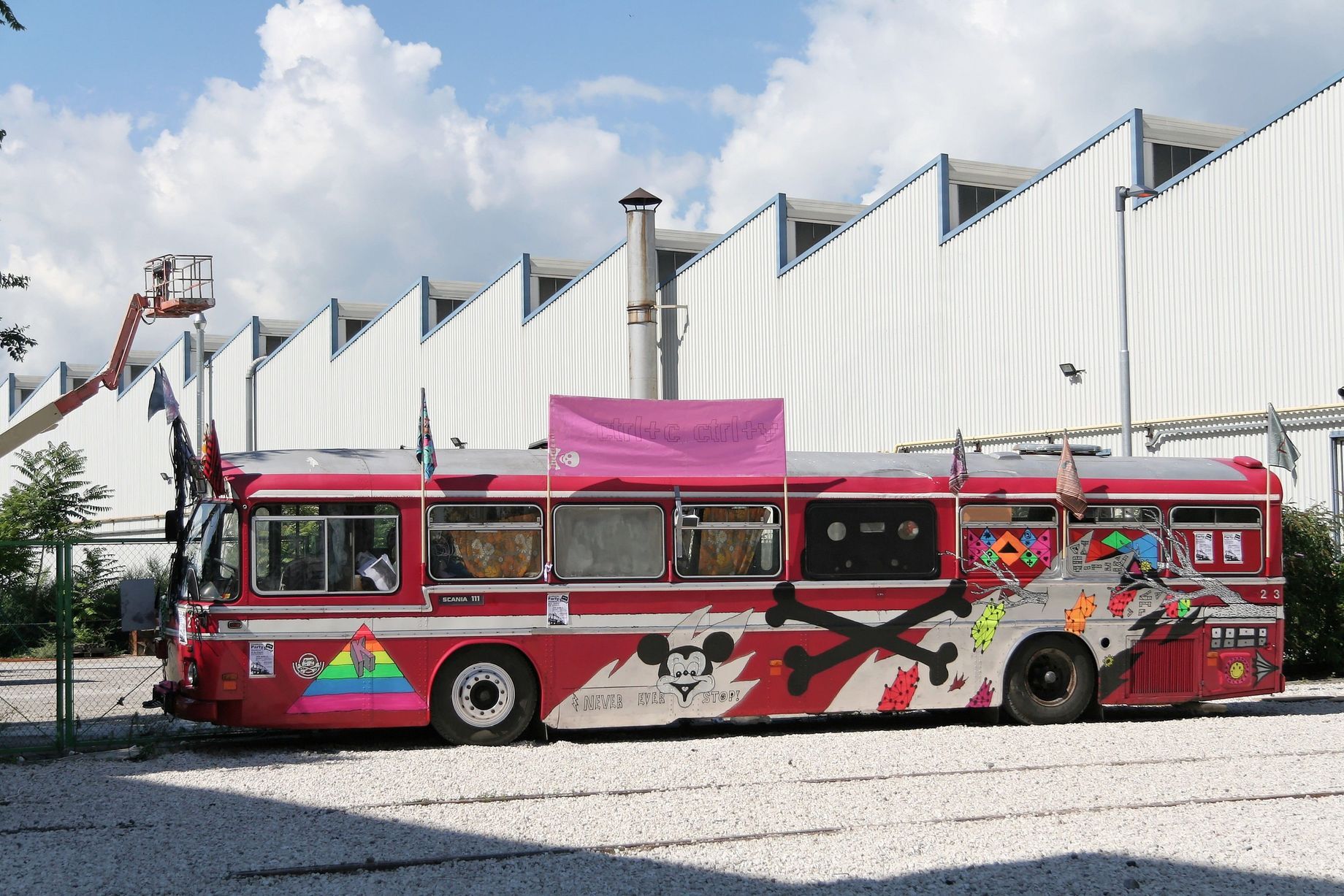
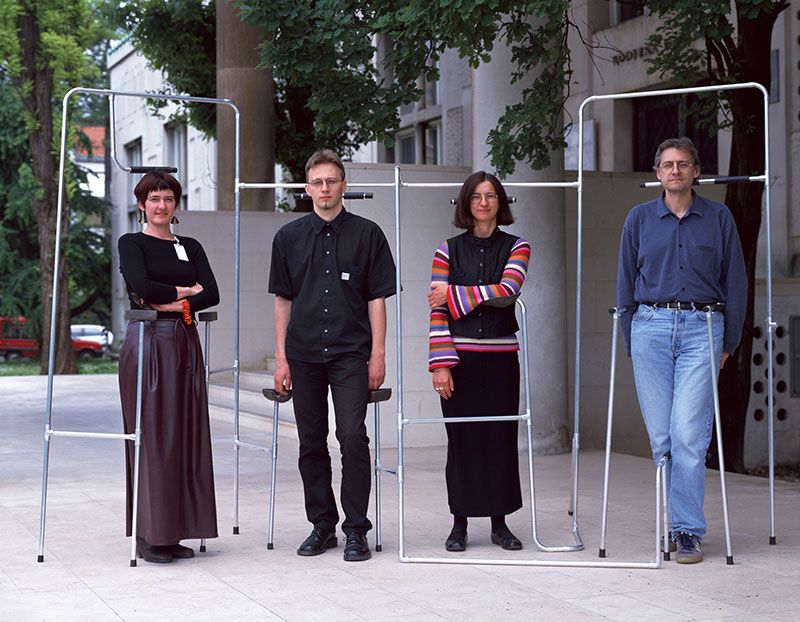
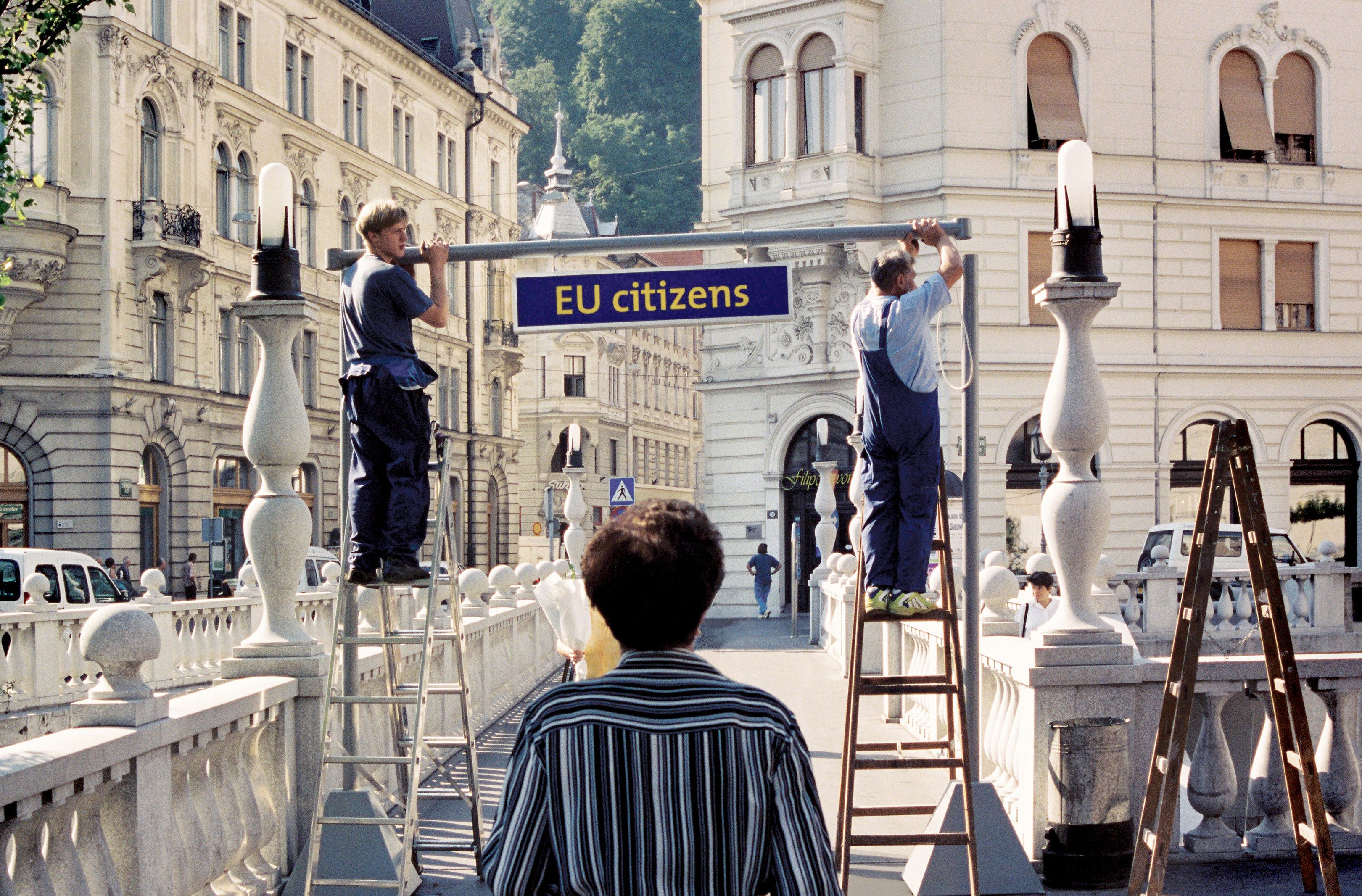
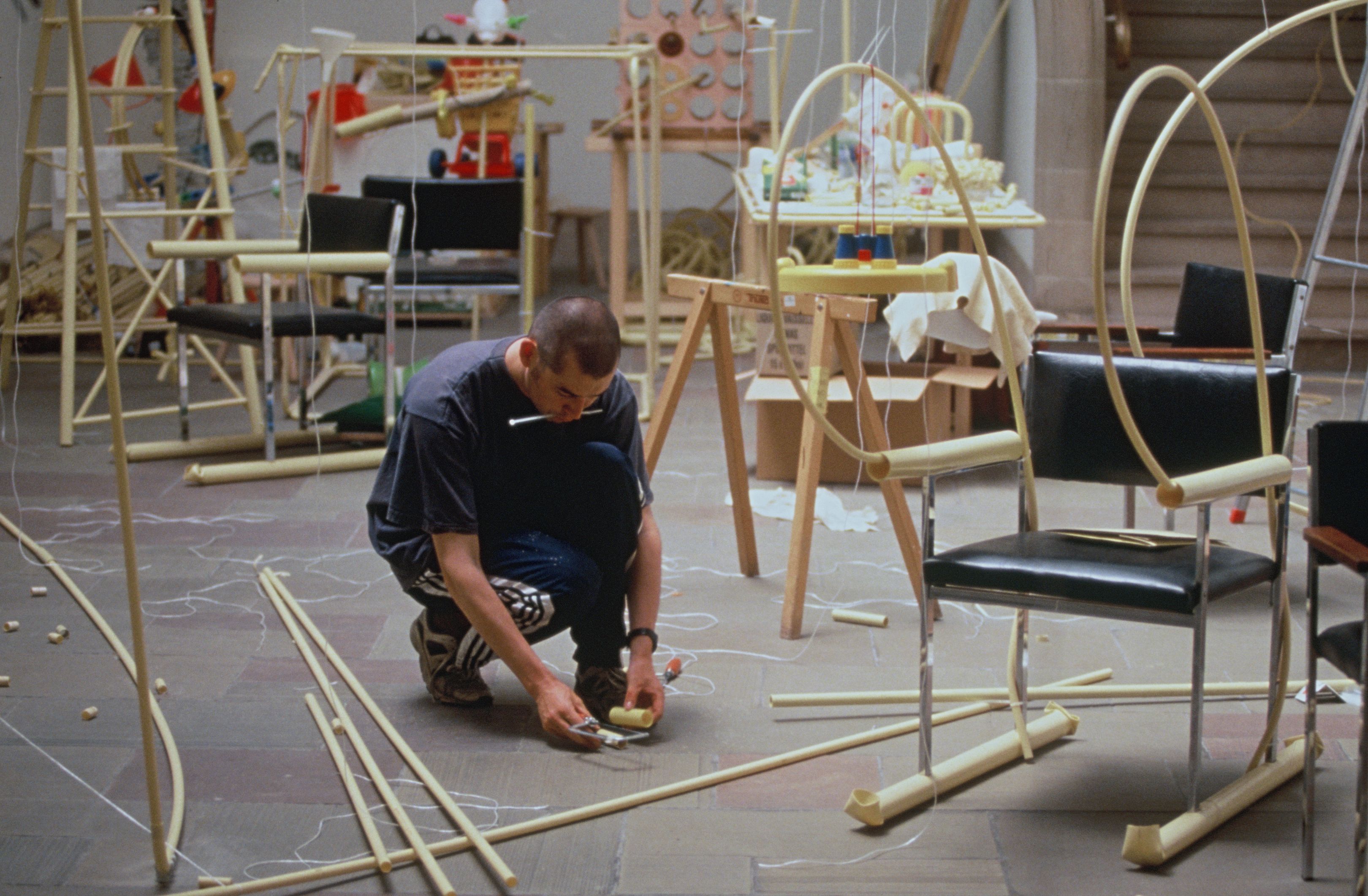
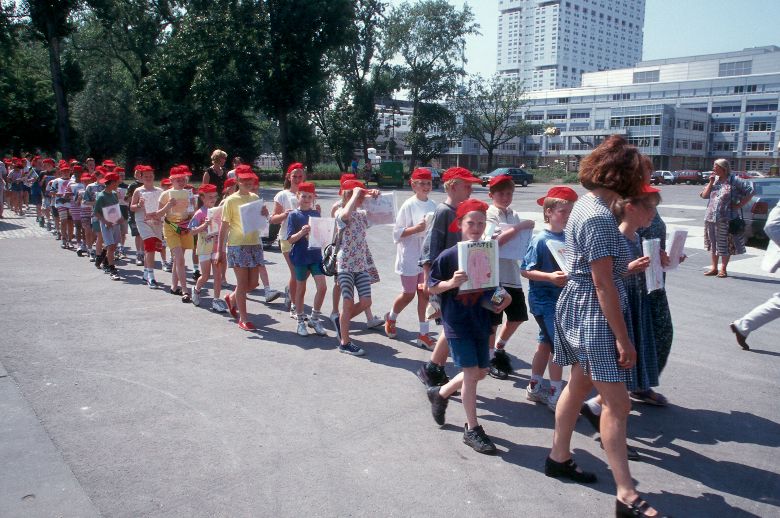
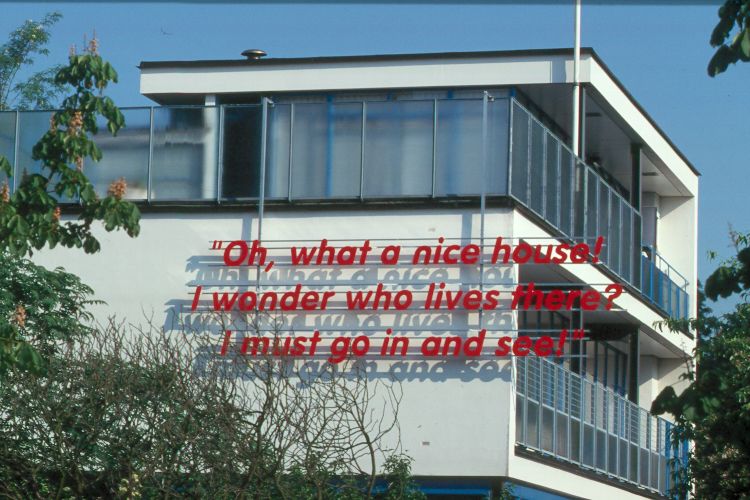
30 years of Manifesta! Scroll to view transformative projects of past editions
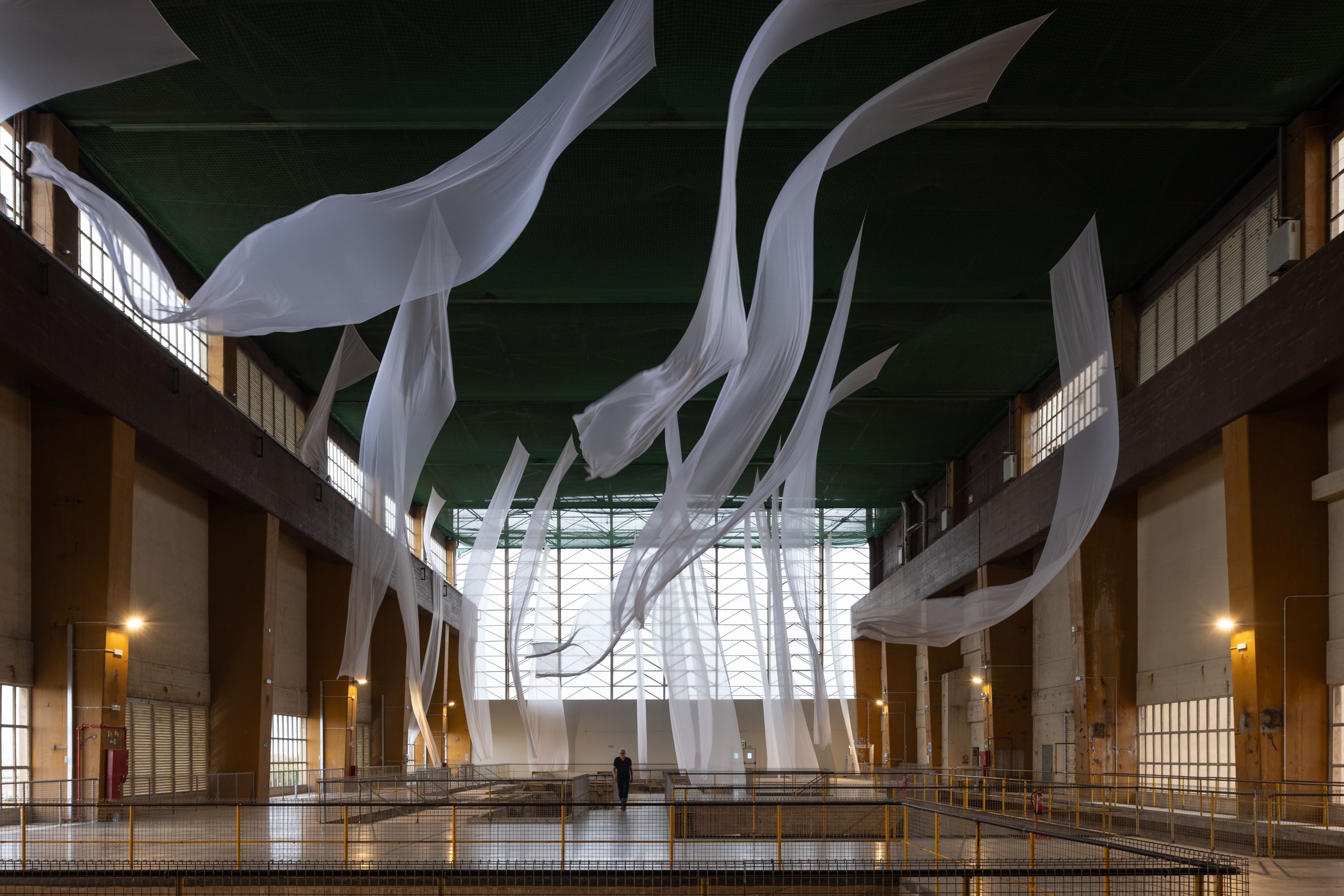
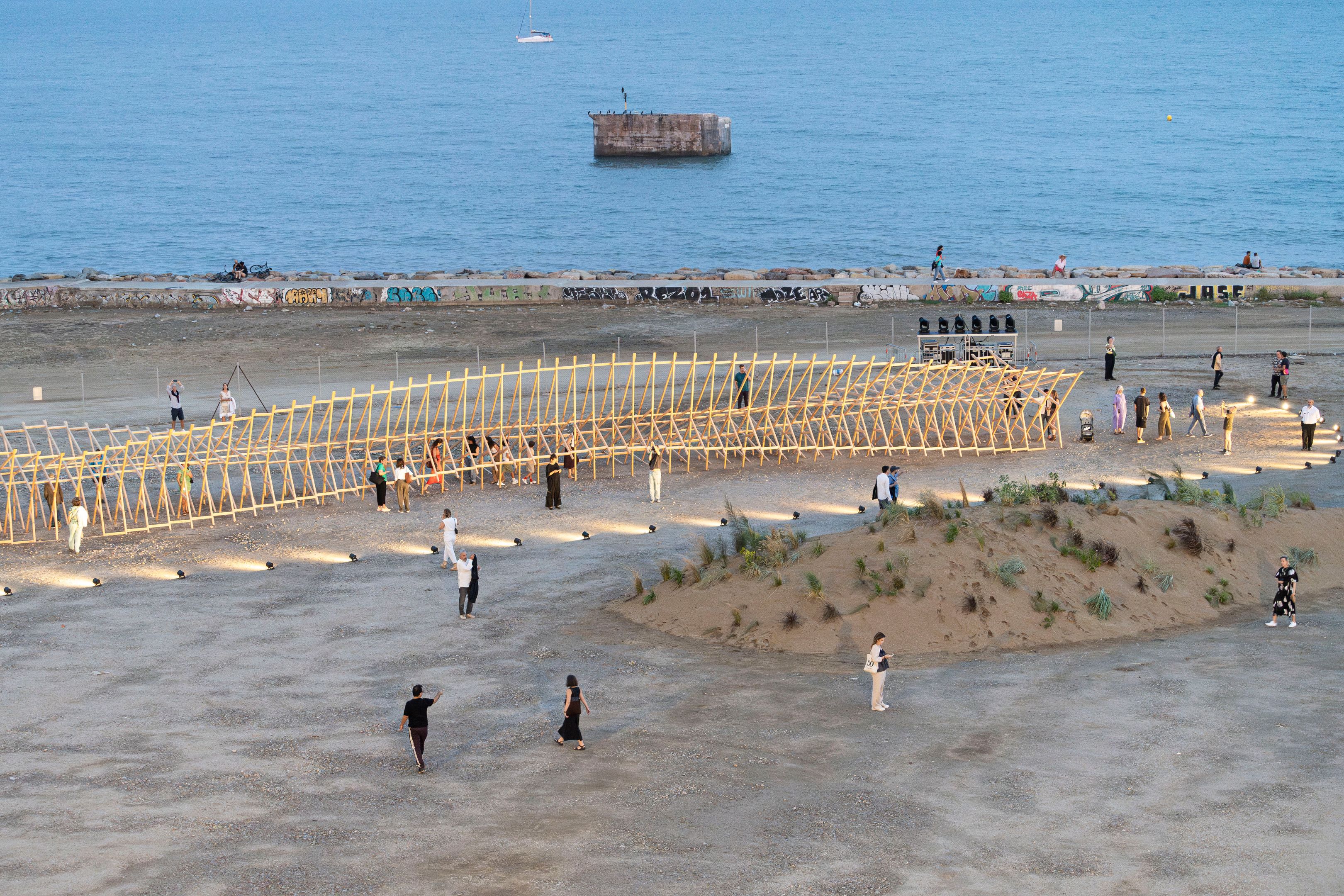
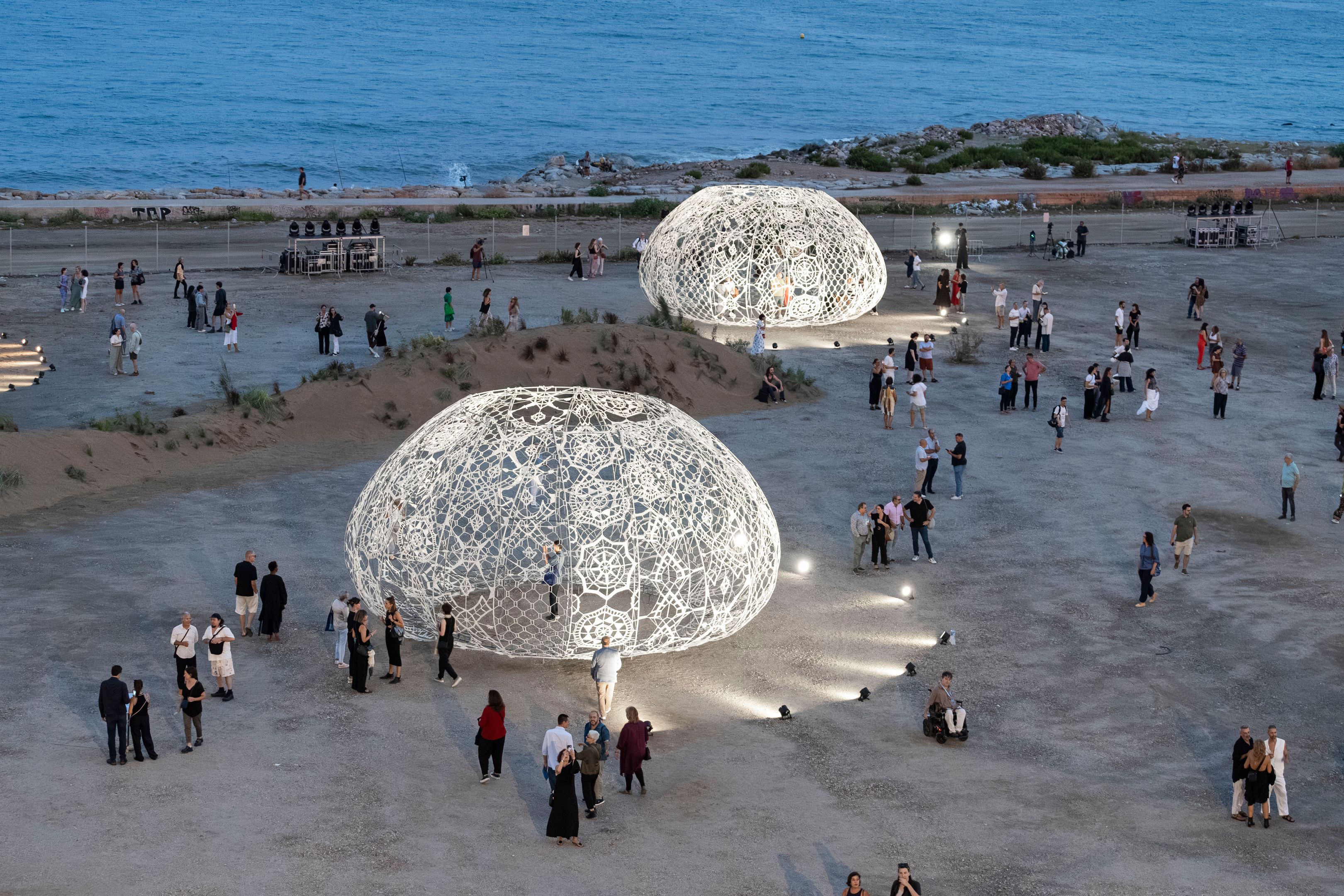
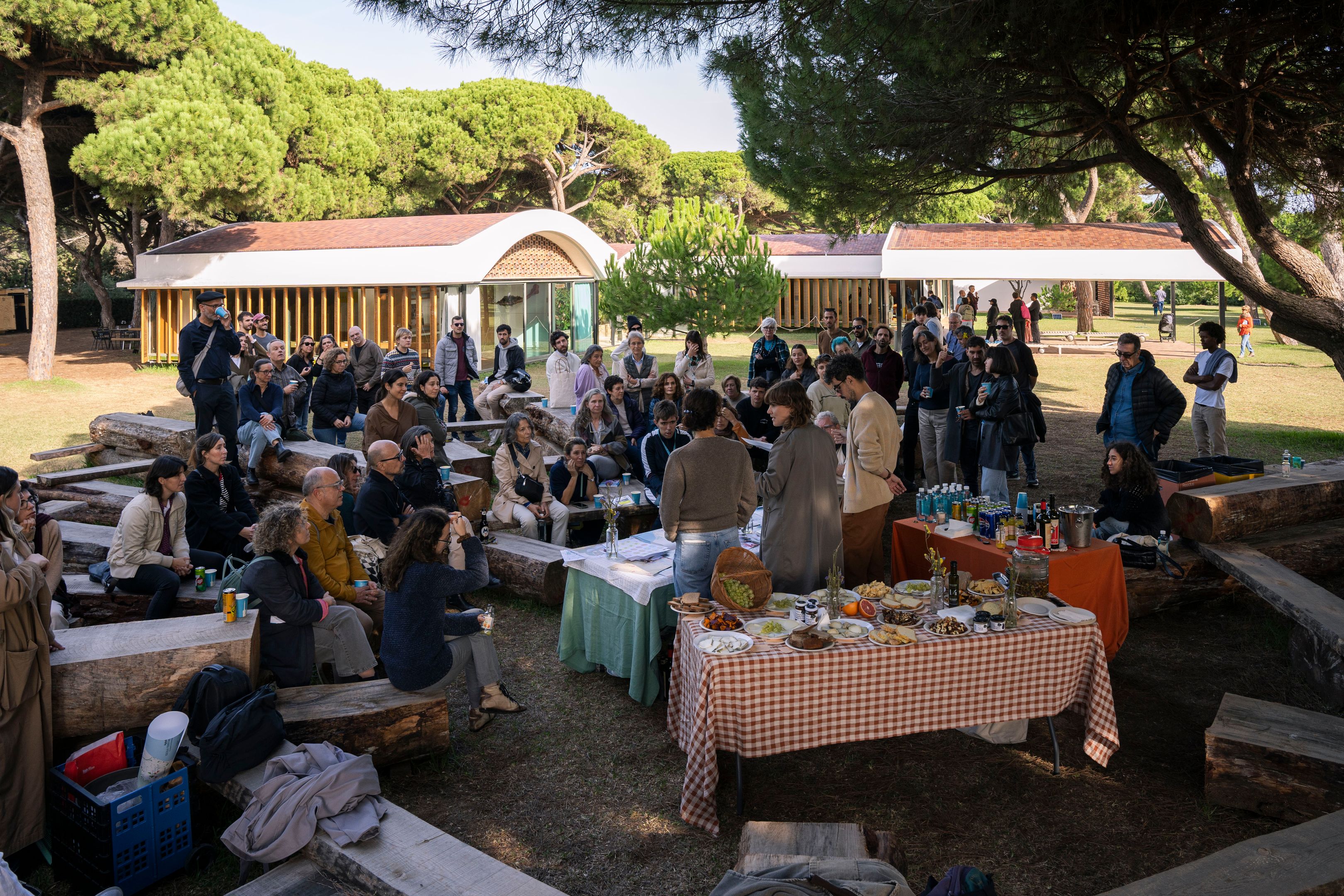
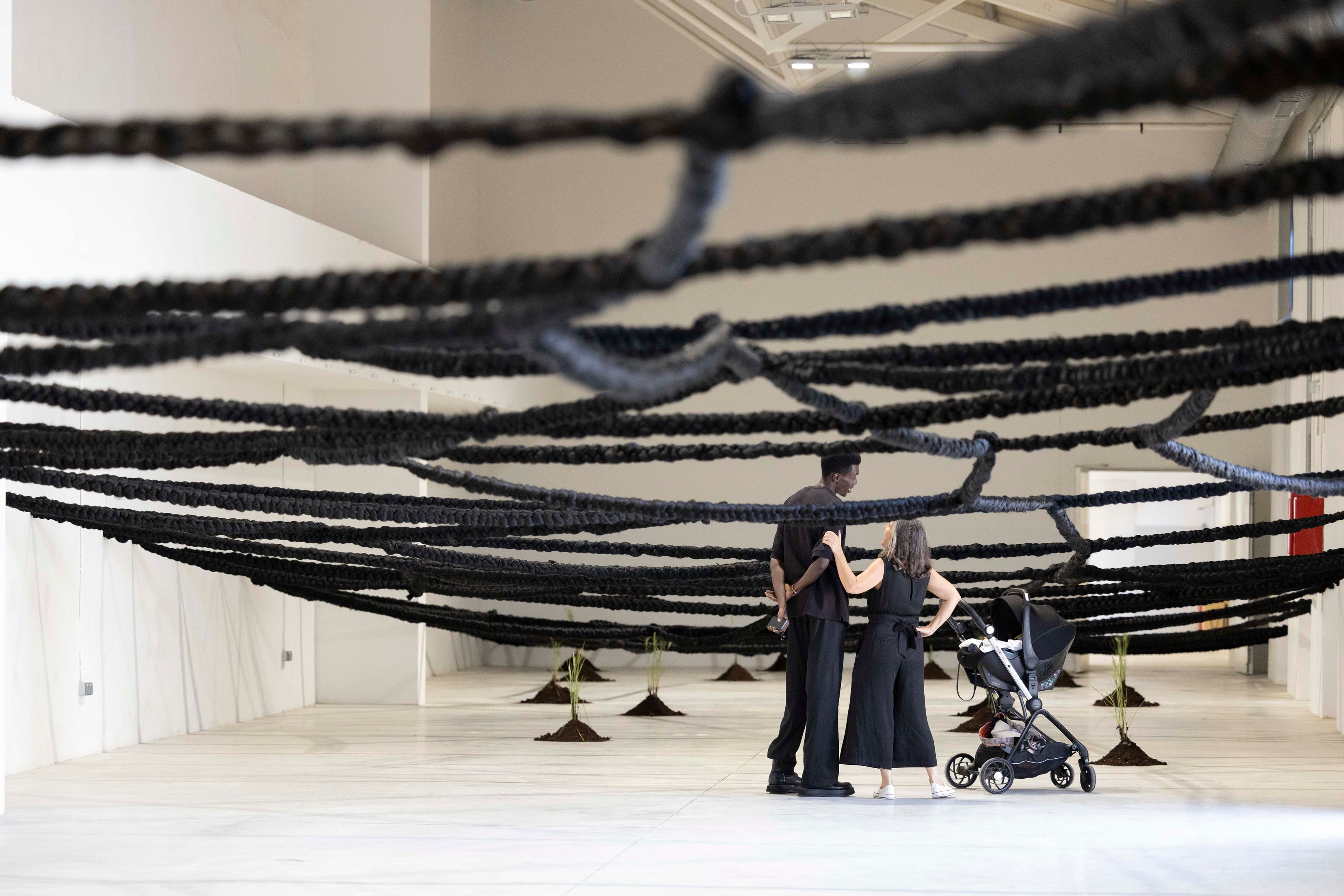
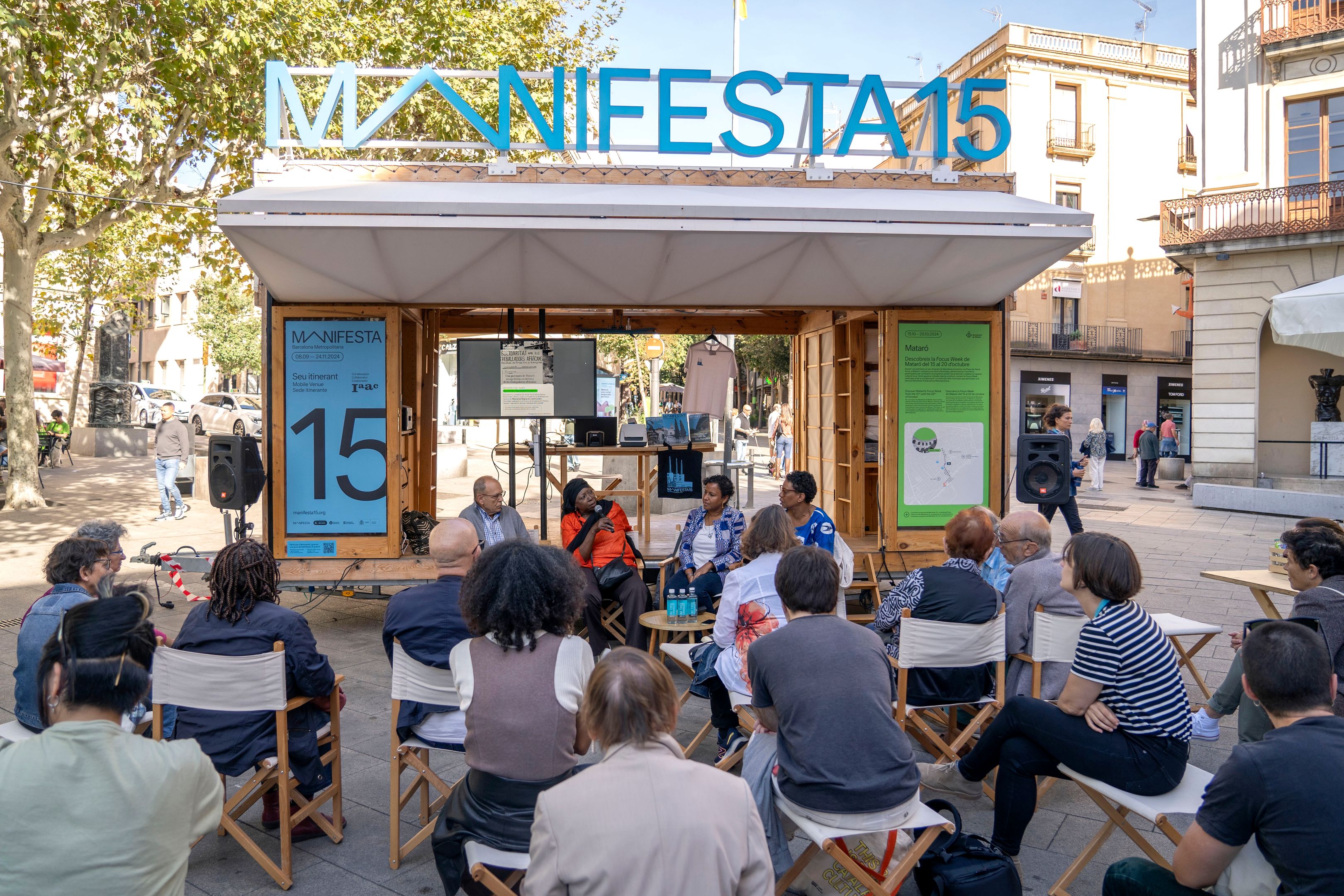
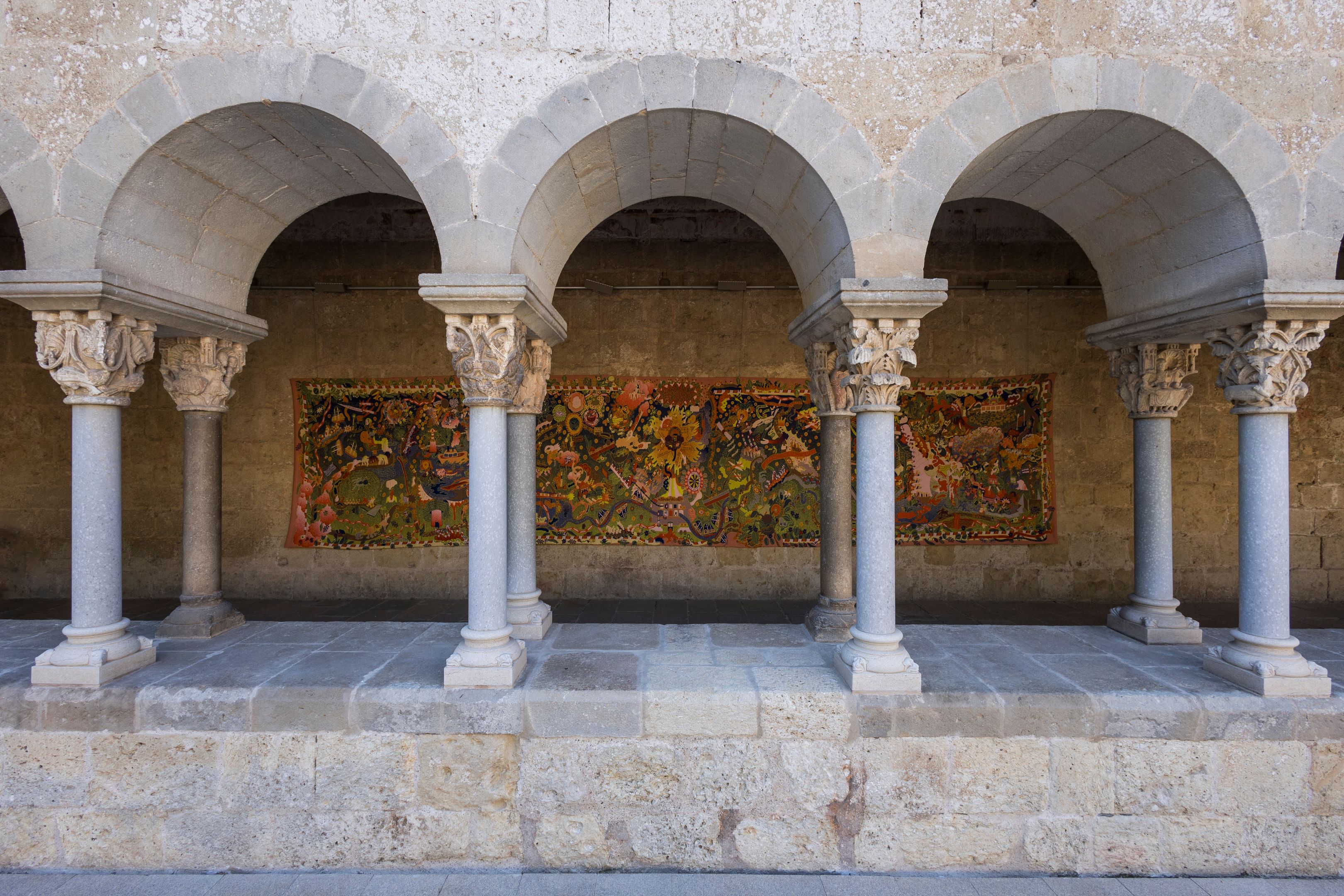

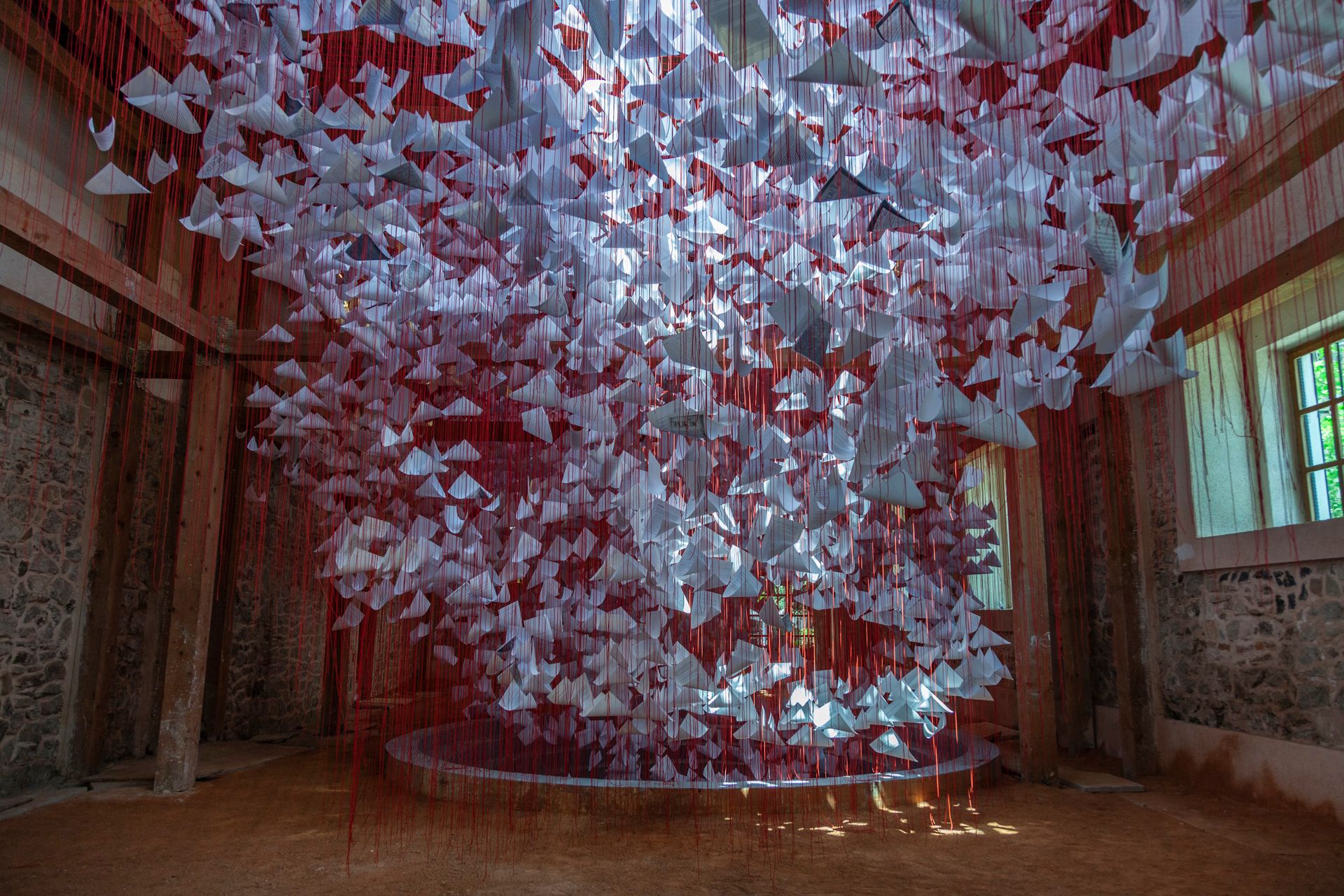
30 years of Manifesta! Check out these transformative projects of past editions:
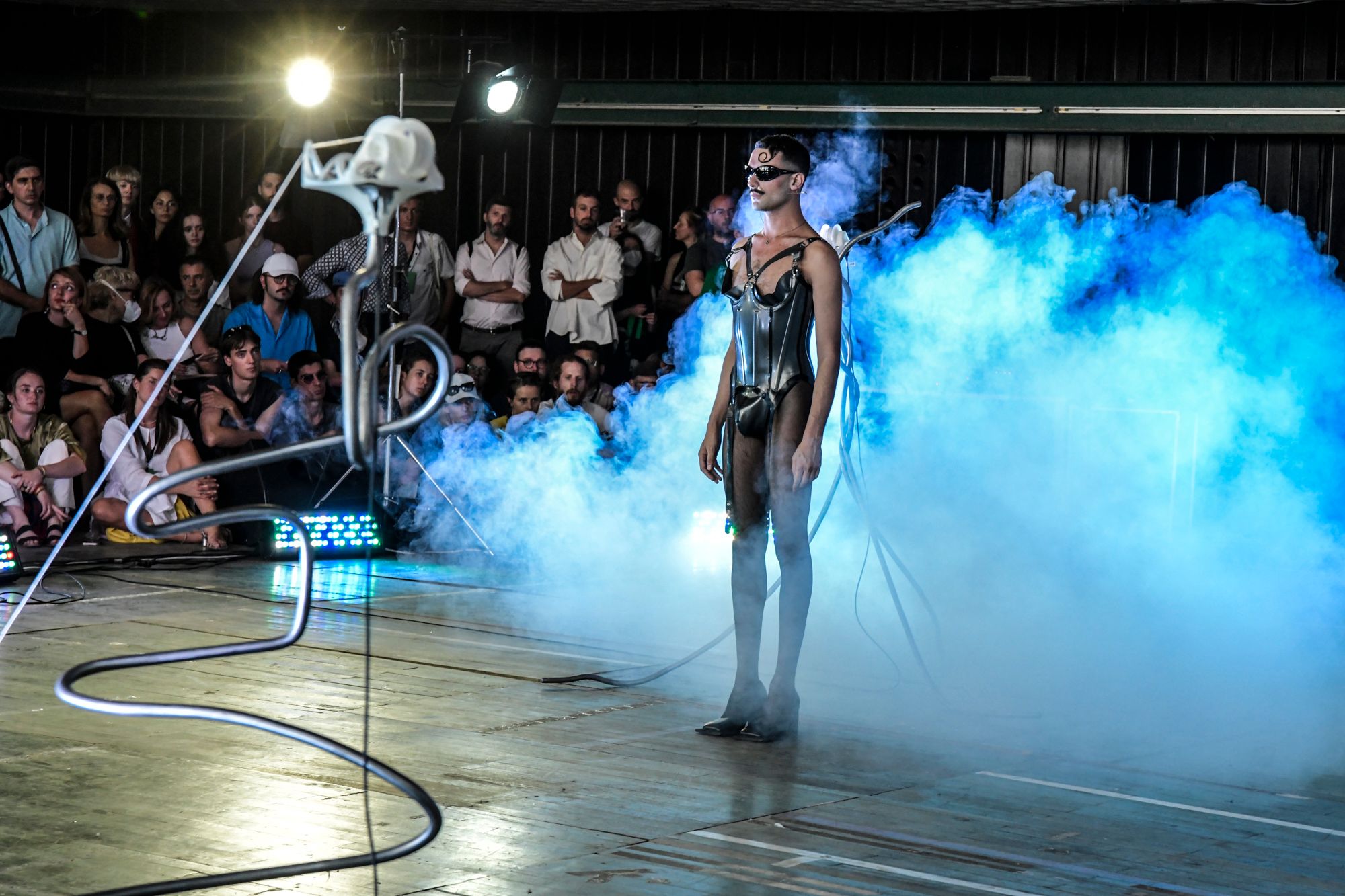
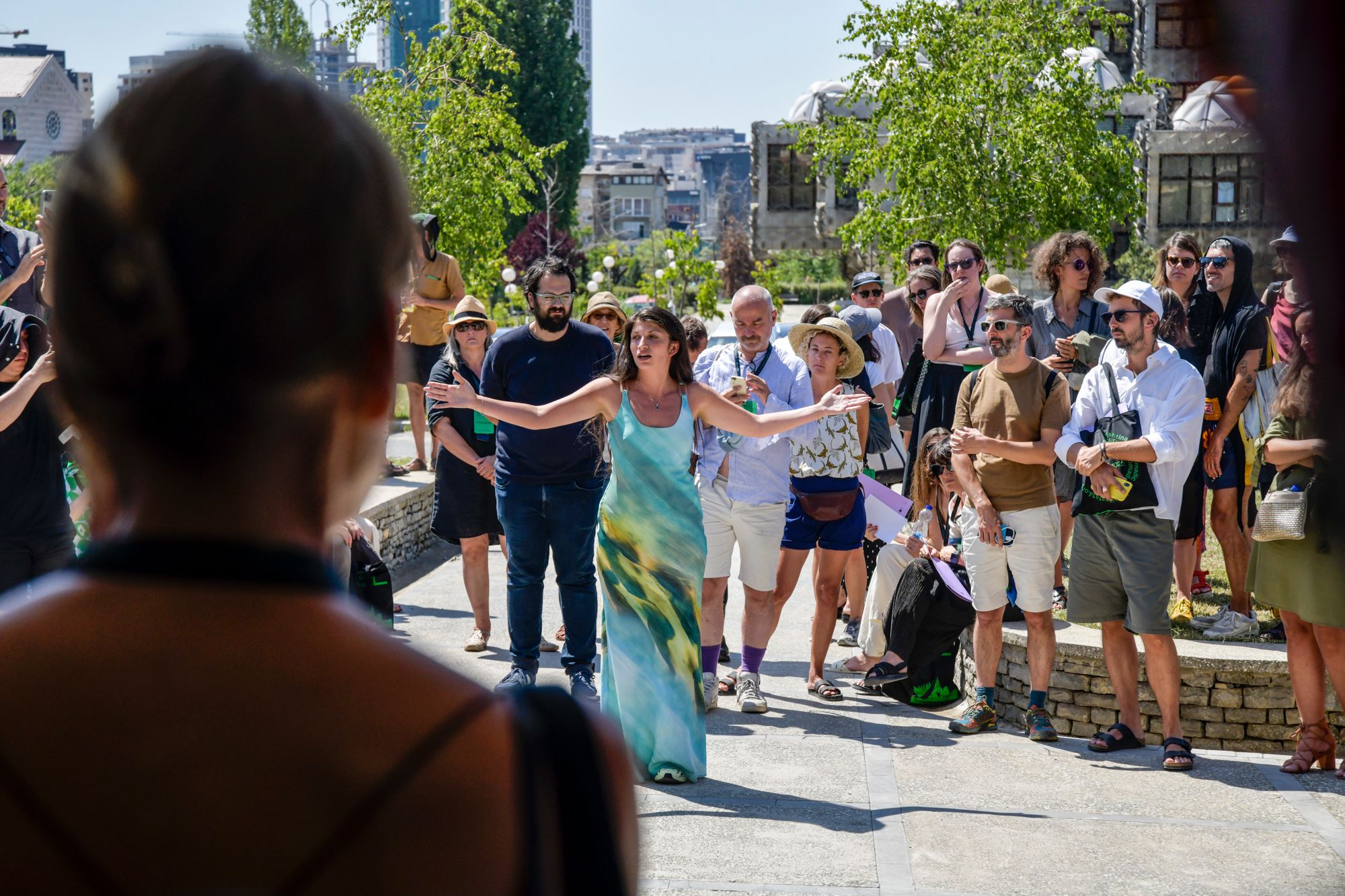
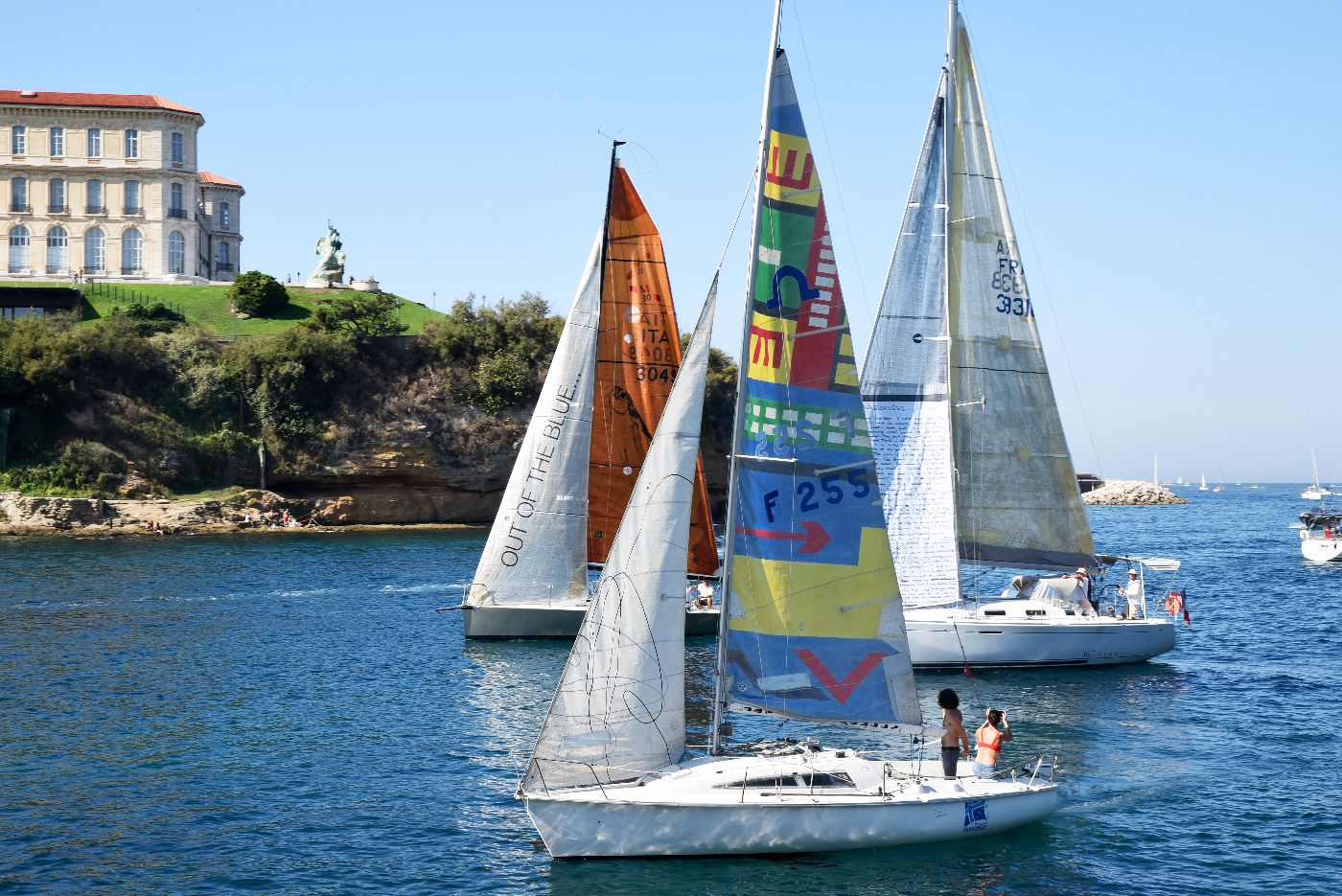
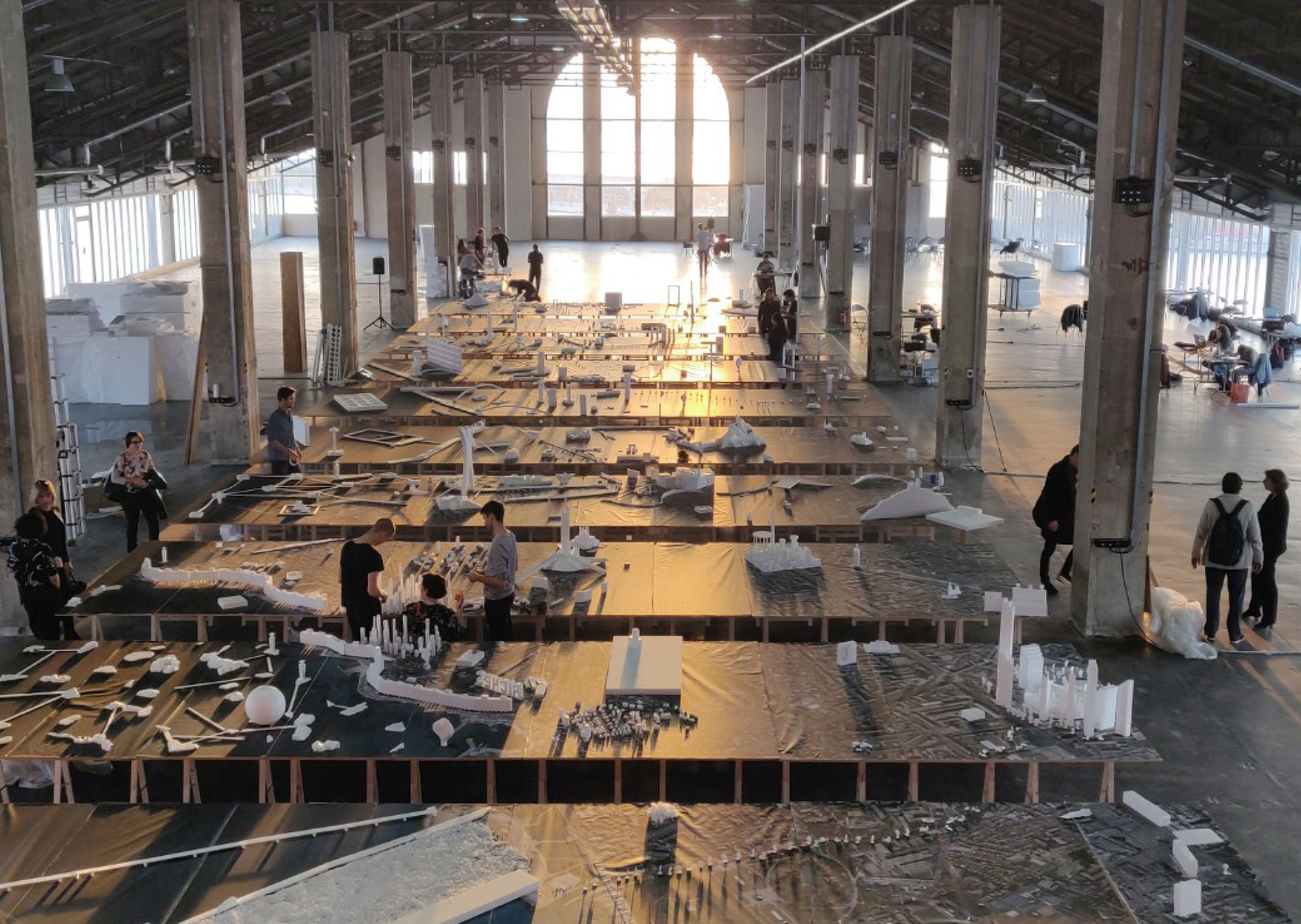
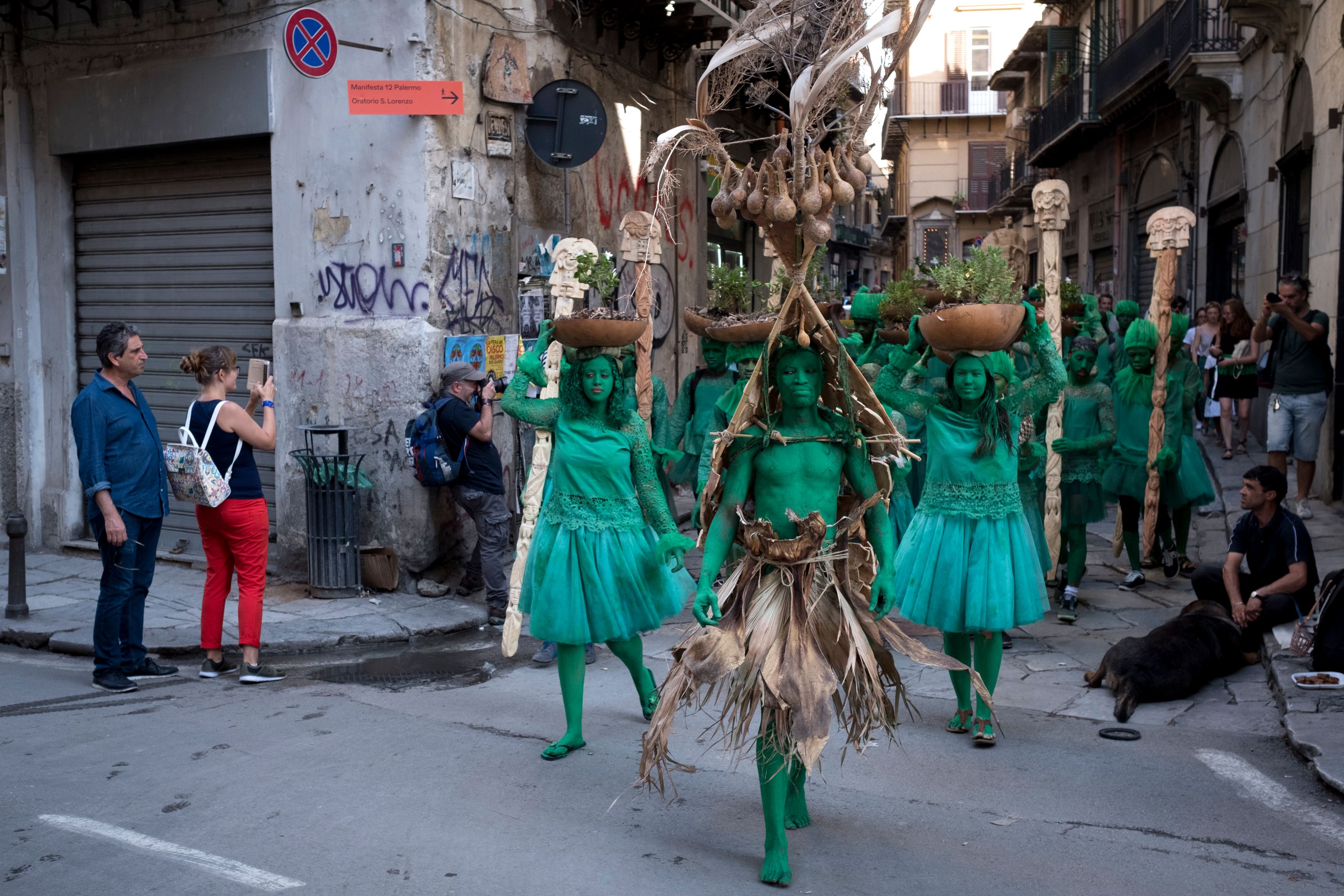
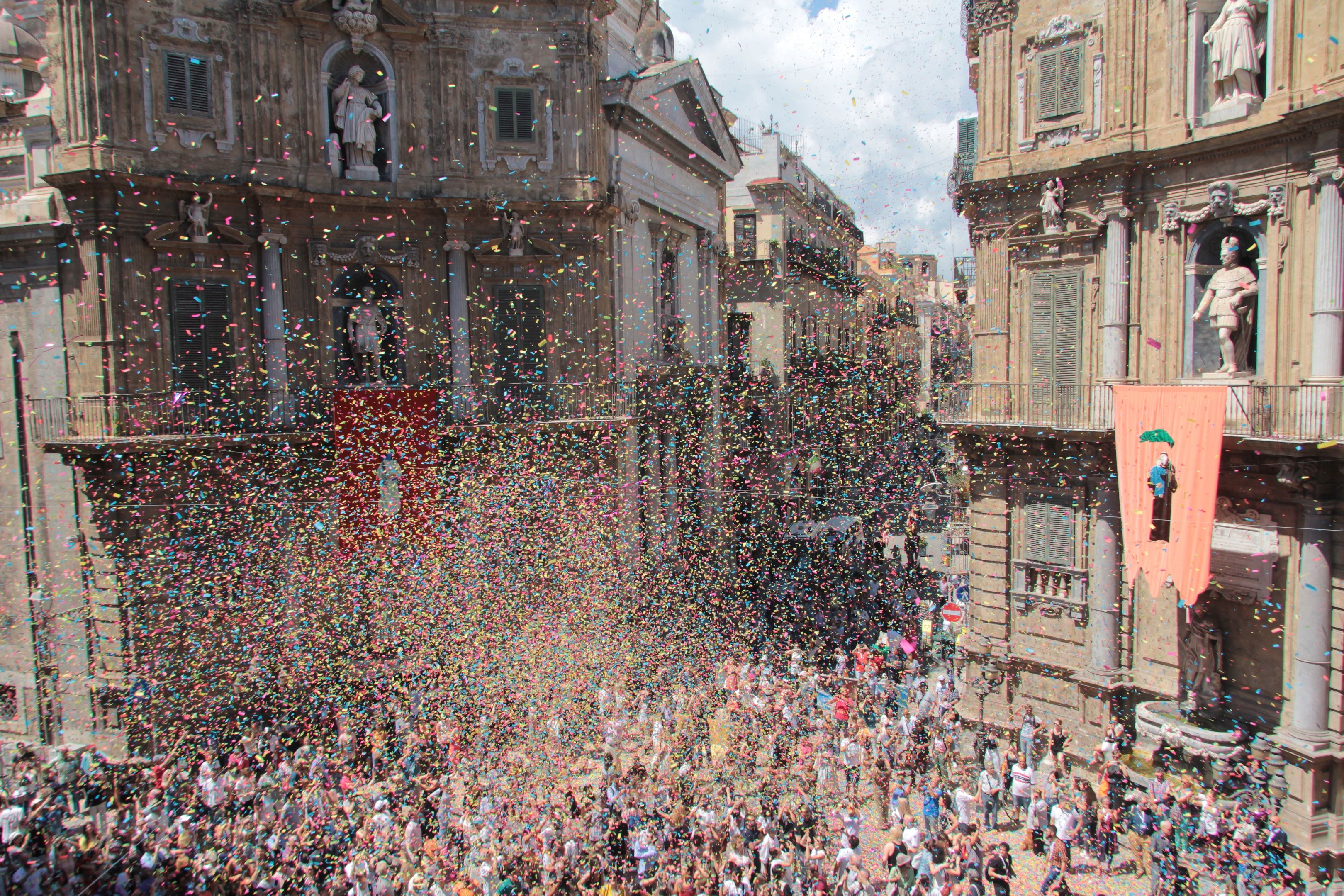
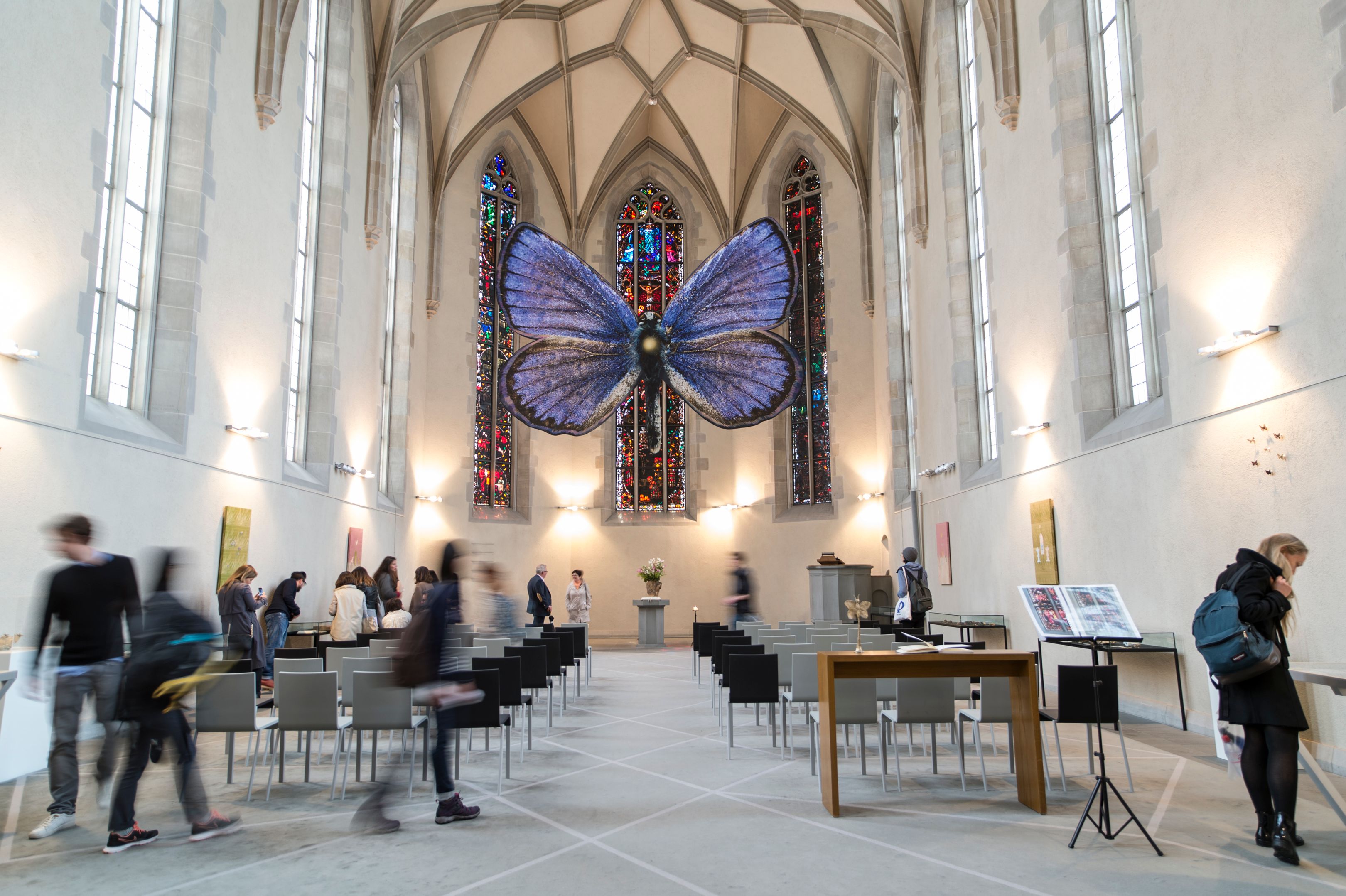

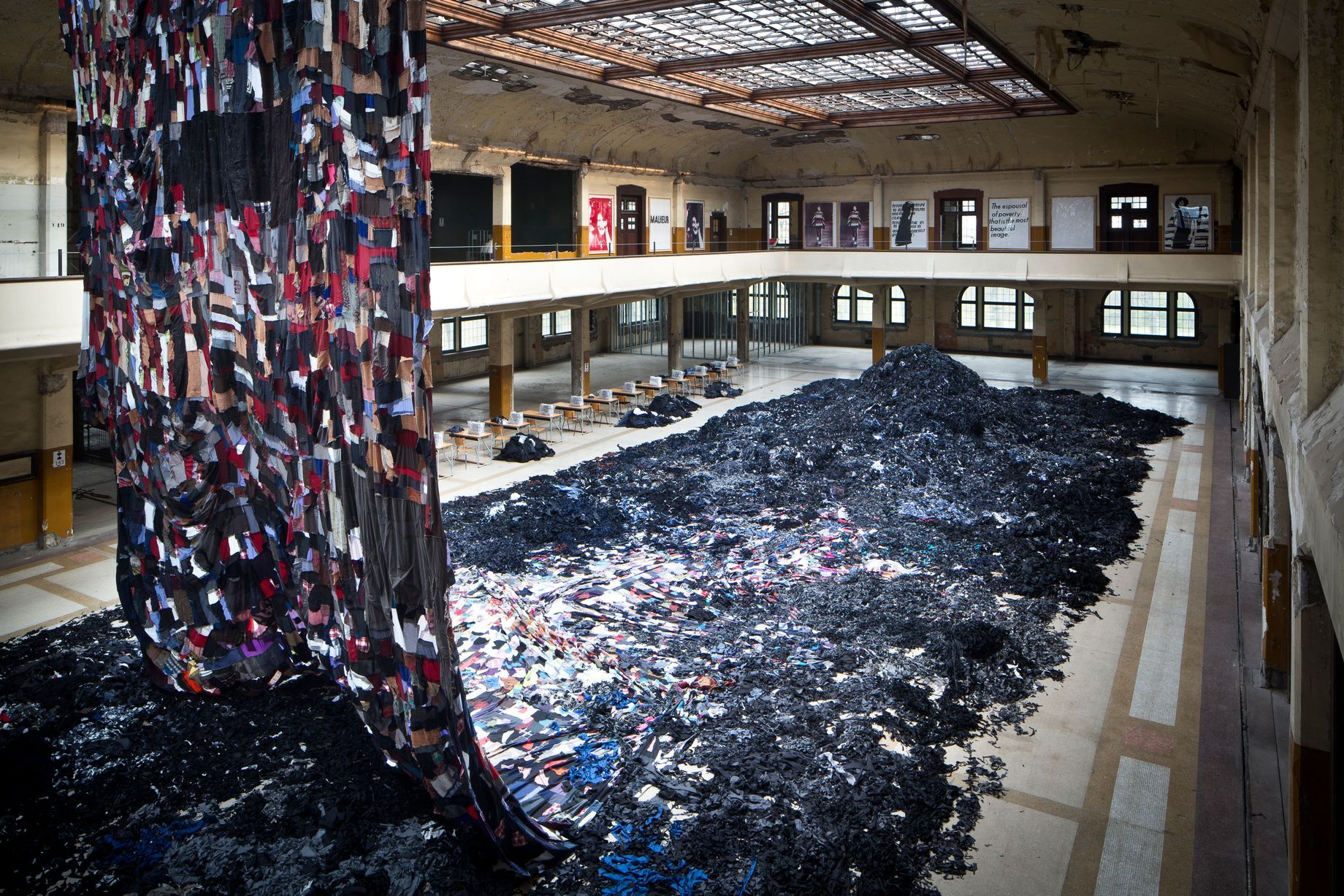

Continue reading
Visit the Manifesta website
The concept and history of Manifesta
“Manifestare” or “Manifesto”, meaning in Latin “make something visible”, was a conceptual ideal by German Fluxus gallerist René Block, a member of our first Advisory Board who came up with the name – Manifesta.
Manifesta was conceived in the early 1990s as a nomadic, European biennial of contemporary art, responding to the new social, cultural and political reality that appeared in the aftermath of the Cold War, a period which historically divided Europe between East and West. Manifesta’s first ideas were born after the fall of the Berlin Wall in 1989 during a time of European integration. A young generation of students in the 1980s was suddenly able to move freely all around Europe, enabling them to embrace mobility and anti-nationalism.
Manifesta was one of the first contemporary art biennials that actively promoted a dialogue between artists and art professionals from the separated East and West of Europe, creating a public debate on the future of the new, post-communist Europe. Manifesta gave access to a young generation of key players from Central and Eastern Europe through its advisory, artistic, organisational and curatorial structures. Its nomadic character enabled Manifesta to explore the cultural and geographical DNA of Europe and to become a dynamic platform for cultural exchange throughout the continent.